Patch Tuesday Schedule (2026 & 2027): Complete Calendar
- M365
- Tech Tips


Smart IT budgeting means mapping IT spend to business goals, reducing waste, prioritising security and planning lifecycle costs. A structured budget helps keep costs predictable and supports long term capability.
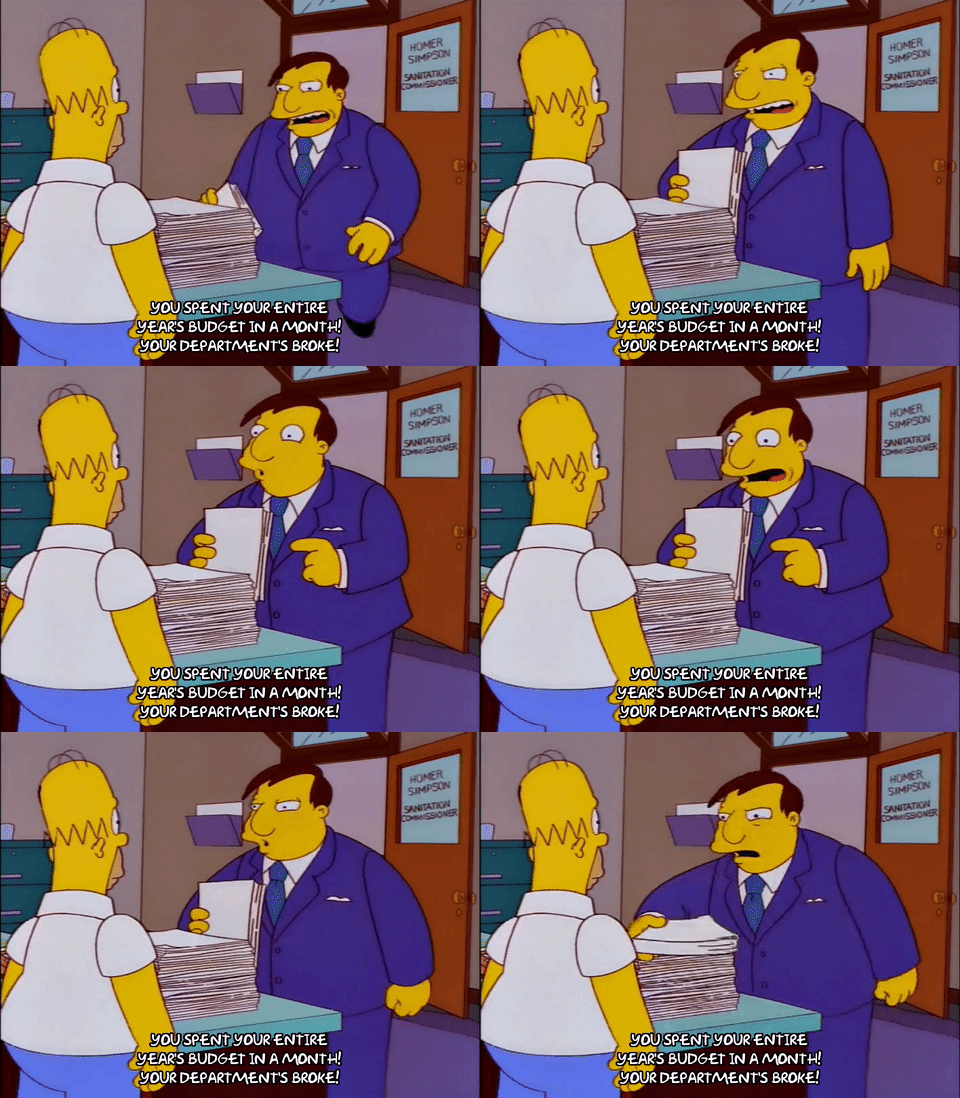
When your IT budget disappears faster than you expected.
IT budgeting is never easy, especially when the goalposts keep moving. A good IT budget helps control costs, reduce risk and keep your environment aligned with business goals. Strong IT budgeting also makes it easier to justify investments and avoid the classic “unexpected renewal this month” scramble.
If you need help shaping next year’s plan, you can always get in touch for practical advice that fits your environment.
Most tight budgets fall apart because the priorities were unclear from the start. Before assigning numbers, map out what the business actually needs from IT in 2026.
Think about:
Then pair each priority with its cost, expected impact and expected benefit. This makes conversations with execs a lot smoother.
If you’re planning hardware or tooling upgrades, your IT Procurement process plays a huge role. You can read how we approach it on our IT procurement page.
This is where planning becomes less about spreadsheets and more about strategy.
Your IT budget should include:
A clear planning cycle means less reactive spending and fewer surprises halfway through the year.
If you want help aligning tech investment with outcomes, our IT consulting team regularly supports councils and mid sized organisations with long term planning. We’d be happy to walk through options.
Security spend is often where budgets feel the tightest. But underinvesting in security can cost far more after an incident.
Focus on:
The ACSC recommends uplift across identity, patching and backups. None of these are optional anymore, especially with higher insurance scrutiny.
Align each security item with a business outcome like reduced downtime, faster recovery or better compliance.
Most environments have unused licences, forgotten tools or subscriptions that renew automatically.
Run a quick audit across:
This is also the perfect time to clean up vendor contracts and negotiate better pricing.
Hardware refreshes are expensive when they hit all at once.
Use a rolling three year plan for:
A staggered refresh cycle spreads costs evenly and makes budgeting predictable.
Pair lifecycle planning with a clear asset registry. This keeps things tidy and helps you avoid the “these laptops are seven years old and dying” moment.
Smart IT budgeting gives ICT managers more control, less fire fighting and a clearer path forward. Plan early, map spending to strategy and always factor in security, renewals and lifecycle gaps. Your future self will thank you.
If you’d like help building a budget or IT roadmap for 2026, reach out for a chat. We can walk through your environment and help shape a practical plan.





Got questions, ideas, or just want to chat? We'd love to hear from you! Reach out to us anytime, and we'll get back to you with all the help and information you need.


